

- Joined
- Feb 2, 2011
- Messages
- 2,444
JJDESIGNS NEWS UPDATE 16th MARCH 2026
THE MOUNTAIN MEN
JOHN COLTER
John Colter (c.1770-1775 – May 7th 1812 or Novemebr 22nd 1813). Was a member of the Lewis and Clark Expedition (1804 – 1806), but is probably best remembered for explorations he made during the winter of 1807 -1808, when he became the first known person of European descent to enter the region which later became Yellowstone National Park, and to see the Teton Mountain Range.
Colter spent months alone in the wilderness and is widely considered to be the first known Mountain Man.

John Colter is believed to have been born in Stuarts Draft, Colony of Virginia in 1774.
His outdoor skills developed from a frontier style upbringing and lifestyle impressed Meriwether Lewis, and on October 15th 1803, Lewis offered Colter the rank of private and a pay of five dollars per month, when he was recruited to join what became the Lewis and Clark Expedition.
Colter was considered to be one of the best hunters in the group and was routinely sent out alone into the surrounding countryside for game meat. He was often trusted with responsibilities that went beyond hunting and woodsman activities, and was instrumental in helping the expedition find passes through the rocky mountains.

In 1808 Colter teamed up with John Potts who was another former member of the Lewis and Clark Expedition. They set out from Fort Raymond in Montana to negotiate trade agreements with local nations. While leading a group of 800 Flathead and Crow Indians back to the trading fort, they were attacked by over 1,500 Blackfeet. Despite forcing the Blackfeet into a retreat, Colter suffered a leg wound.
In 1809 another altercation with the Blackfeet resulted in Pott’s death, and Colter’s capture.
While traveling by canoe up the Jefferson River, Potts and Colter encountered several hundred Blackfeet who demanded they come ashore.
Colter went ashore and was stripped naked and disarmed.
Potts refused, shot one of the Indian warriors and was instantly pierced with arrows. His body was brought ashore and hacked to pieces.
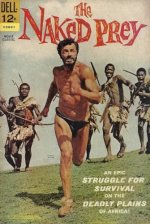
After a council, Colter was told to leave and encouraged to run. It soon became apparent that he was running for his life pursued by a group of warriors. Despite being a fast runner, after several miles the naked Colter was exhausted, but was far ahead of most of the group, with only one assailant still close to him. Coming to a sudden halt, which surprised the pursuing warrior Colter managed to overcome the lone man.
Colter took a blanket from the man he had killed, and continued his run with the remaining pack of Indians following. He reached the Madison River five miles from his start and hiding inside a beaver lodge managed to escape capture. Emerging at night he climbed and walked for eleven days to a trader’s fort on the Little Big Horn.
To Commemorate this achievement a John Colter’s Run event is held every April in the Missouri Headwaters State Park.
The John Colter figure will be available this summer.
Best wishes,
john jenkins
THE MOUNTAIN MEN
JOHN COLTER
John Colter (c.1770-1775 – May 7th 1812 or Novemebr 22nd 1813). Was a member of the Lewis and Clark Expedition (1804 – 1806), but is probably best remembered for explorations he made during the winter of 1807 -1808, when he became the first known person of European descent to enter the region which later became Yellowstone National Park, and to see the Teton Mountain Range.
Colter spent months alone in the wilderness and is widely considered to be the first known Mountain Man.
John Colter is believed to have been born in Stuarts Draft, Colony of Virginia in 1774.
His outdoor skills developed from a frontier style upbringing and lifestyle impressed Meriwether Lewis, and on October 15th 1803, Lewis offered Colter the rank of private and a pay of five dollars per month, when he was recruited to join what became the Lewis and Clark Expedition.
Colter was considered to be one of the best hunters in the group and was routinely sent out alone into the surrounding countryside for game meat. He was often trusted with responsibilities that went beyond hunting and woodsman activities, and was instrumental in helping the expedition find passes through the rocky mountains.
In 1808 Colter teamed up with John Potts who was another former member of the Lewis and Clark Expedition. They set out from Fort Raymond in Montana to negotiate trade agreements with local nations. While leading a group of 800 Flathead and Crow Indians back to the trading fort, they were attacked by over 1,500 Blackfeet. Despite forcing the Blackfeet into a retreat, Colter suffered a leg wound.
In 1809 another altercation with the Blackfeet resulted in Pott’s death, and Colter’s capture.
While traveling by canoe up the Jefferson River, Potts and Colter encountered several hundred Blackfeet who demanded they come ashore.
Colter went ashore and was stripped naked and disarmed.
Potts refused, shot one of the Indian warriors and was instantly pierced with arrows. His body was brought ashore and hacked to pieces.
After a council, Colter was told to leave and encouraged to run. It soon became apparent that he was running for his life pursued by a group of warriors. Despite being a fast runner, after several miles the naked Colter was exhausted, but was far ahead of most of the group, with only one assailant still close to him. Coming to a sudden halt, which surprised the pursuing warrior Colter managed to overcome the lone man.
Colter took a blanket from the man he had killed, and continued his run with the remaining pack of Indians following. He reached the Madison River five miles from his start and hiding inside a beaver lodge managed to escape capture. Emerging at night he climbed and walked for eleven days to a trader’s fort on the Little Big Horn.
To Commemorate this achievement a John Colter’s Run event is held every April in the Missouri Headwaters State Park.
The John Colter figure will be available this summer.
Best wishes,
john jenkins