

panda1gen
Colonel
- Joined
- Jul 29, 2005
- Messages
- 8,433
Tuesday
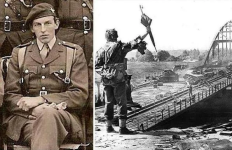
Dawn came up with the sound of fighting from the town to the west, where the remnants of the 1st and 3rd Battalions, reinforced by the 2nd South Staffords and the 11th Battalion, were making their final attempts to reach the bridge. The noise of that battle would fade as the morning passed, bringing the realization to the men at the bridge that they were now irrevocably cut off from their division.
They had been asked to hold out for two days - three at most - before being relieved by the advance of XXX Corps; but, unlike Arnhem with its fires and smoke of battle, there was no sign of any action in the Nijmegen direction only fifteen miles away.
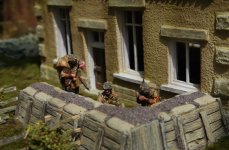
Signallers had made brief contact with a XXX Corps unit the previous afternoon and would do so again this morning, but this only confirmed that the head of the ground forces' advance was still beyond Nijmegen ....
..... and the Germans could be expected to defend the bridge there with determination.
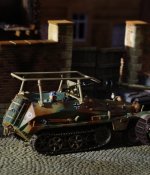
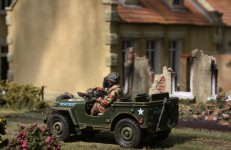
This was the day on which the Polish parachute drop was expected south of the river, only a little over a mile from the bridge. Frost had prepared a 'flying column' under Major Freddie Gough, made up of a Bren carrier and Gough's two Reconnaissance Squadron jeeps, to meet the Poles. Some of the spare officers at Brigade HQ had, with varying degrees of enthusiasm, responded to Frost's appeal for volunteers to make up this little force, which he described in his memoirs as 'a suicide squad'.
He told Gough:
'Now's the chance for you to win your family's fifth VC.'
But the Poles did not appear; their lift had been postponed. John Frost says:
'I never had to make any serious command decisions after that. It was just a matter of hanging on at the bridge for as long as possible.'
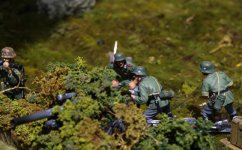
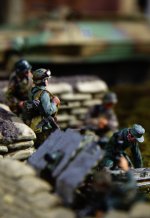
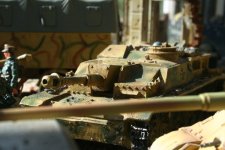
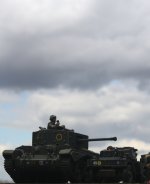
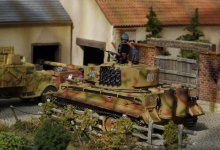
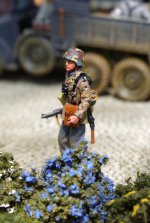
The morning was relatively quiet; 'relatively quiet' at the bridge meant no more than the usual mortaring, shelling, sniping and infantry infiltration. The main German forces in the bridge area may have been standing by in case they were needed to help repel the attacks by the other British units in Arnhem, but those attacks fizzled out, and later in the morning three Mark III tanks drove into the bridge perimeter from the east.
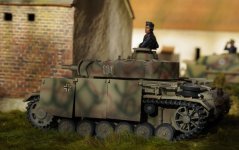
They were close to A Company's positions on that side of the ramp. Their shelling of one of the A Company houses caused it to be evacuated, a dangerous reduction of the defence right by the bridge and threatening the heart of the airborne force. The tanks cleverly positioned themselves where anti-tank guns could not engage them, and orders were issued that this danger had to be removed.
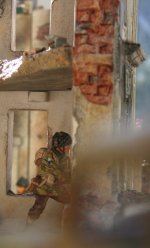
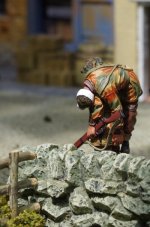
This was achieved by Captain Tony Frank of A Company, who took one soldier and a Piat and, from the cover of a ruined wall, fired at one of the tanks forty yards away:
'I hit it first time, right in the backside. It didn't burn, but it didn't move again.'
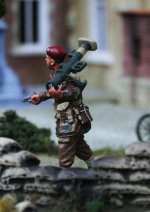
Some accounts credit Frank with hitting three tanks, but he insists that it was only one; the other two withdrew. His assistant may have been Sapper Tom Carpenter of the 9th Field Company, who describes how an unknown officer ordered him out on this tank hunt; when Carpenter returned to his position his own officer demanded to know,
'Where the hell have you been?'
Dawn came up with the sound of fighting from the town to the west, where the remnants of the 1st and 3rd Battalions, reinforced by the 2nd South Staffords and the 11th Battalion, were making their final attempts to reach the bridge. The noise of that battle would fade as the morning passed, bringing the realization to the men at the bridge that they were now irrevocably cut off from their division.
They had been asked to hold out for two days - three at most - before being relieved by the advance of XXX Corps; but, unlike Arnhem with its fires and smoke of battle, there was no sign of any action in the Nijmegen direction only fifteen miles away.
Signallers had made brief contact with a XXX Corps unit the previous afternoon and would do so again this morning, but this only confirmed that the head of the ground forces' advance was still beyond Nijmegen ....
..... and the Germans could be expected to defend the bridge there with determination.
This was the day on which the Polish parachute drop was expected south of the river, only a little over a mile from the bridge. Frost had prepared a 'flying column' under Major Freddie Gough, made up of a Bren carrier and Gough's two Reconnaissance Squadron jeeps, to meet the Poles. Some of the spare officers at Brigade HQ had, with varying degrees of enthusiasm, responded to Frost's appeal for volunteers to make up this little force, which he described in his memoirs as 'a suicide squad'.
He told Gough:
'Now's the chance for you to win your family's fifth VC.'
But the Poles did not appear; their lift had been postponed. John Frost says:
'I never had to make any serious command decisions after that. It was just a matter of hanging on at the bridge for as long as possible.'
The morning was relatively quiet; 'relatively quiet' at the bridge meant no more than the usual mortaring, shelling, sniping and infantry infiltration. The main German forces in the bridge area may have been standing by in case they were needed to help repel the attacks by the other British units in Arnhem, but those attacks fizzled out, and later in the morning three Mark III tanks drove into the bridge perimeter from the east.
They were close to A Company's positions on that side of the ramp. Their shelling of one of the A Company houses caused it to be evacuated, a dangerous reduction of the defence right by the bridge and threatening the heart of the airborne force. The tanks cleverly positioned themselves where anti-tank guns could not engage them, and orders were issued that this danger had to be removed.
This was achieved by Captain Tony Frank of A Company, who took one soldier and a Piat and, from the cover of a ruined wall, fired at one of the tanks forty yards away:
'I hit it first time, right in the backside. It didn't burn, but it didn't move again.'
Some accounts credit Frank with hitting three tanks, but he insists that it was only one; the other two withdrew. His assistant may have been Sapper Tom Carpenter of the 9th Field Company, who describes how an unknown officer ordered him out on this tank hunt; when Carpenter returned to his position his own officer demanded to know,
'Where the hell have you been?'